TeachKit Is Now Free
I originally created TeachKit because I enjoy online courses. What I do not enjoy is the online course creation process.
For years, I’ve found most course platforms tedious and cumbersome. They often feel like they were built by people who asked, “How do we recreate school on the internet?” instead of asking the much better question: “How do people actually learn?”
That distinction matters because so much of online education still follows the old, broken, and frankly boring model of traditional school: memorize information, take a quiz, move on. Maybe that feels official. Maybe it makes a course look more complete. But I do not think it reflects how people actually learn useful skills.
When a child learns to walk, he does not study a lesson module, memorize the key concepts, and then take a quiz on proper walking technique. He stands up, falls down, tries again, falls down again, adjusts, and slowly gets better. That is how learning works. We watch, try, fail, adjust, and try again.
The same is true for adults. If you want to learn design, coding, writing, video editing, photography, business, cooking, fitness, or almost anything else practical, you do not really learn by memorizing information. You learn by seeing how something works and then doing it yourself.
I’ll spare you the full tirade on my feelings toward the modern education system, but suffice it to say that I believe learning is first visual and second action-oriented. TeachKit was built around that idea.
Why I Built TeachKit
TeachKit was created to make it easier for people to build simple, useful, action-oriented courses.
A lot of creators already teach every day. They publish videos on YouTube, TikTok, Instagram, podcasts, newsletters, and blogs. But when they decide to turn that knowledge into a course, they are often pushed into platforms that make the process feel much more complicated than it needs to be.
I wanted TeachKit to be different.
The goal was not to create another bloated course platform filled with quizzes, fake assignments, and unnecessary complexity. The goal was to create a simple way to organize helpful teaching content into lessons, give students clear next steps, and help them make progress.
In other words, TeachKit is not trying to recreate school. It is trying to make teaching online simpler and more practical.
TeachKit Is Now Free
When TeachKit first launched, it used a freemium model. You could create free courses, but the Pro version unlocked paid course features, including the ability to connect your own Stripe account and sell access to your classes.
That made sense at the time, but I’ve decided to make a change.
TeachKit is now free.
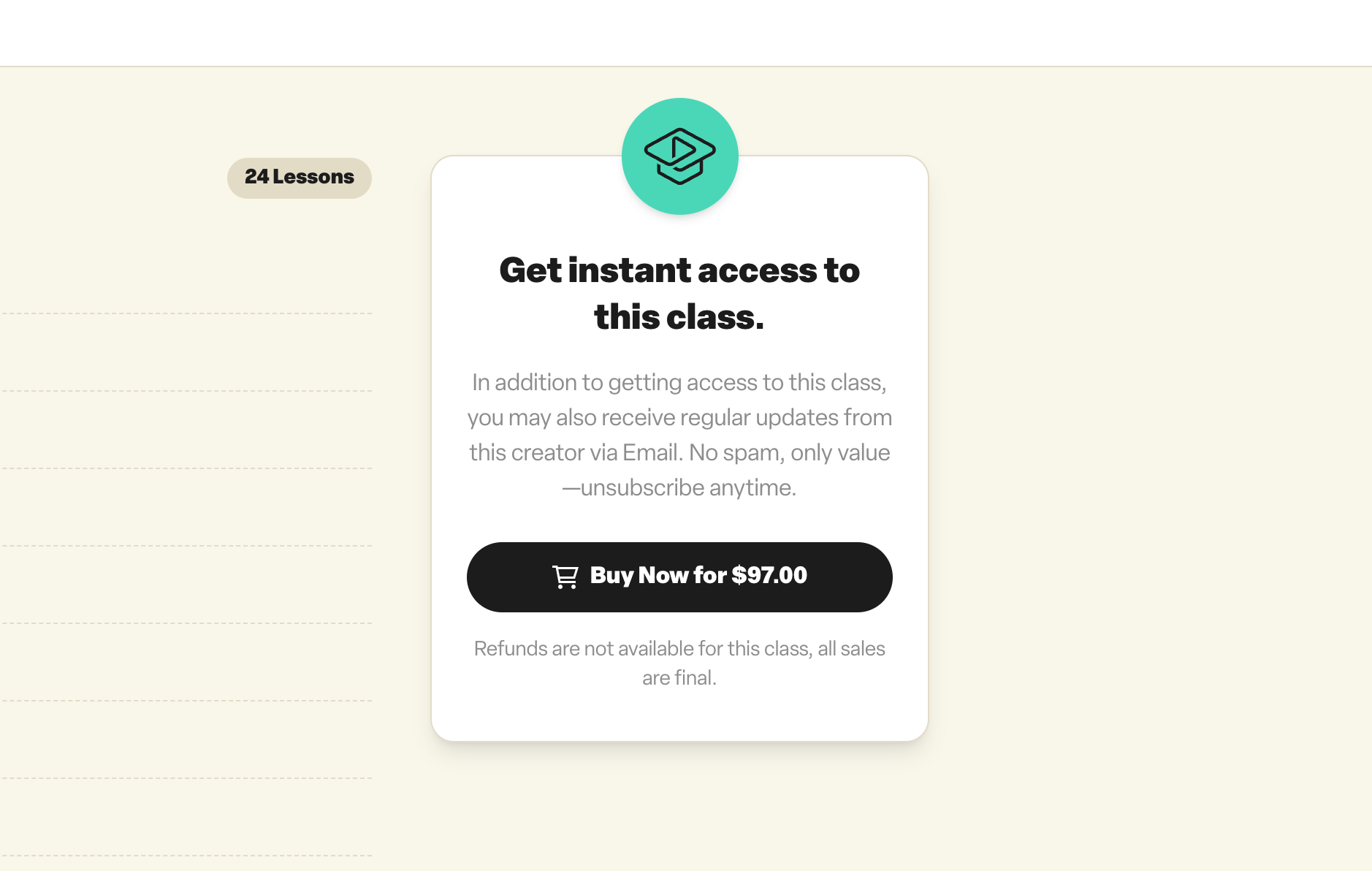
Whether you want to create a free course to grow your email list, or you want to sell a paid course through Stripe, you can now do that without paying TeachKit a monthly subscription.
I want more people to teach what they know. I want creators, freelancers, business owners, coaches, and educators to have a simpler way to turn what they already know into something useful for other people. Making TeachKit free removes one more barrier.
What You Can Do With TeachKit
TeachKit is built around a fairly simple idea: your course should help someone move from watching to doing.
You can create a class, add lessons, embed videos from platforms like YouTube, Vimeo, SproutVideo, Wistia, or any iframe-based video host, and give students a clear path through the material. TeachKit does not try to become your video hosting platform. It lets you use the tools you already use and simply organizes that content into a better learning experience. If you want a broader overview, the TeachKit features page breaks down the main pieces.
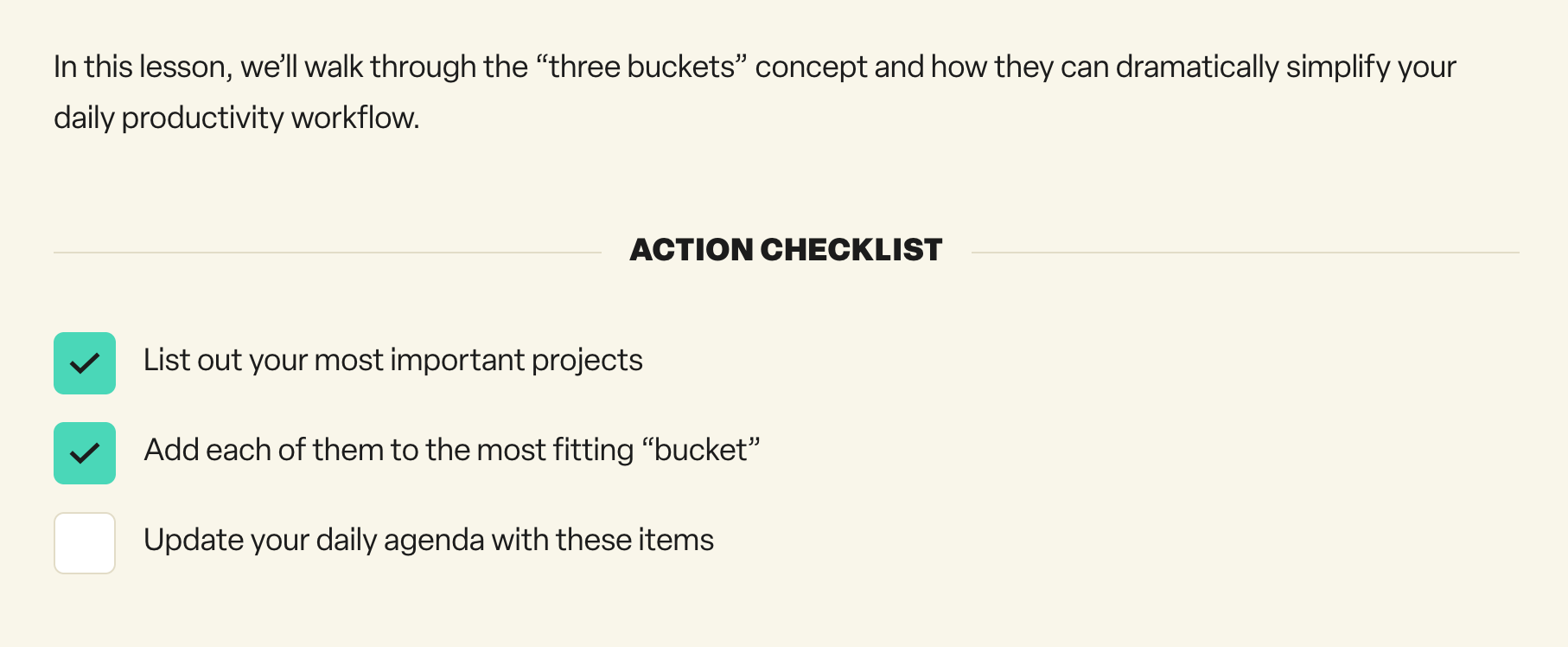
Each lesson can include action items, which I think are far more useful than quizzes for most types of practical learning. Instead of asking students to prove they remembered a sentence from the video, you can give them something to do. That might be completing a small task, applying a concept, making a decision, creating something, reviewing their own work, or taking the next step in a process.
TeachKit also creates a landing page for each class, so you have a simple place to send people when you want them to enroll. You do not have to build an entirely separate sales page just to share a course. You can explain what the class is, who it is for, and what someone will learn, then send people directly to it.
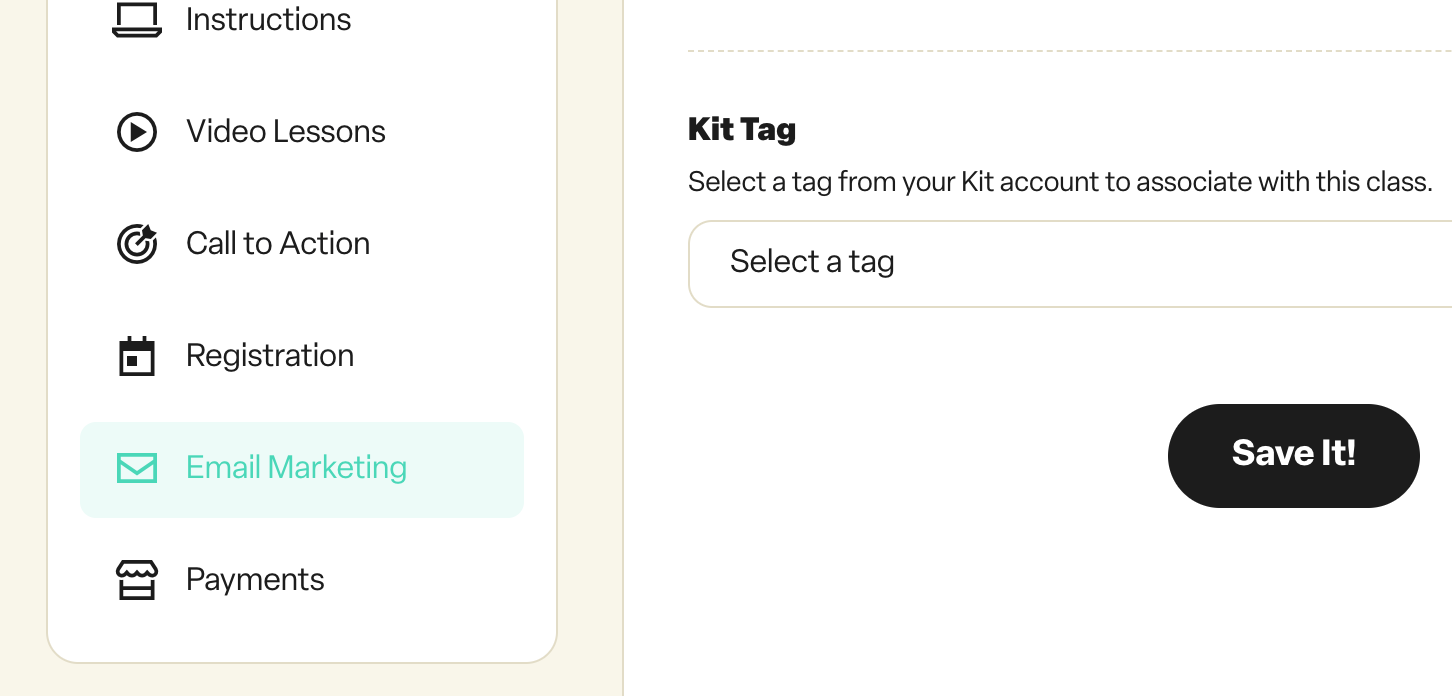
For creators who use Kit, TeachKit can also connect course enrollment to your email list. That means students can be tagged when they enroll, which makes it easier to follow up, send related content, and continue building a relationship beyond the course itself. I think this is one of the more useful parts of TeachKit because a course is not always just a product. Sometimes it is the beginning of a deeper relationship with your audience.
And if you want to sell access to a course, you can connect Stripe and charge for enrollment. This used to be part of the paid plan, but now it is included for free. If you create something valuable and want to sell it, TeachKit should not be the thing standing in your way.
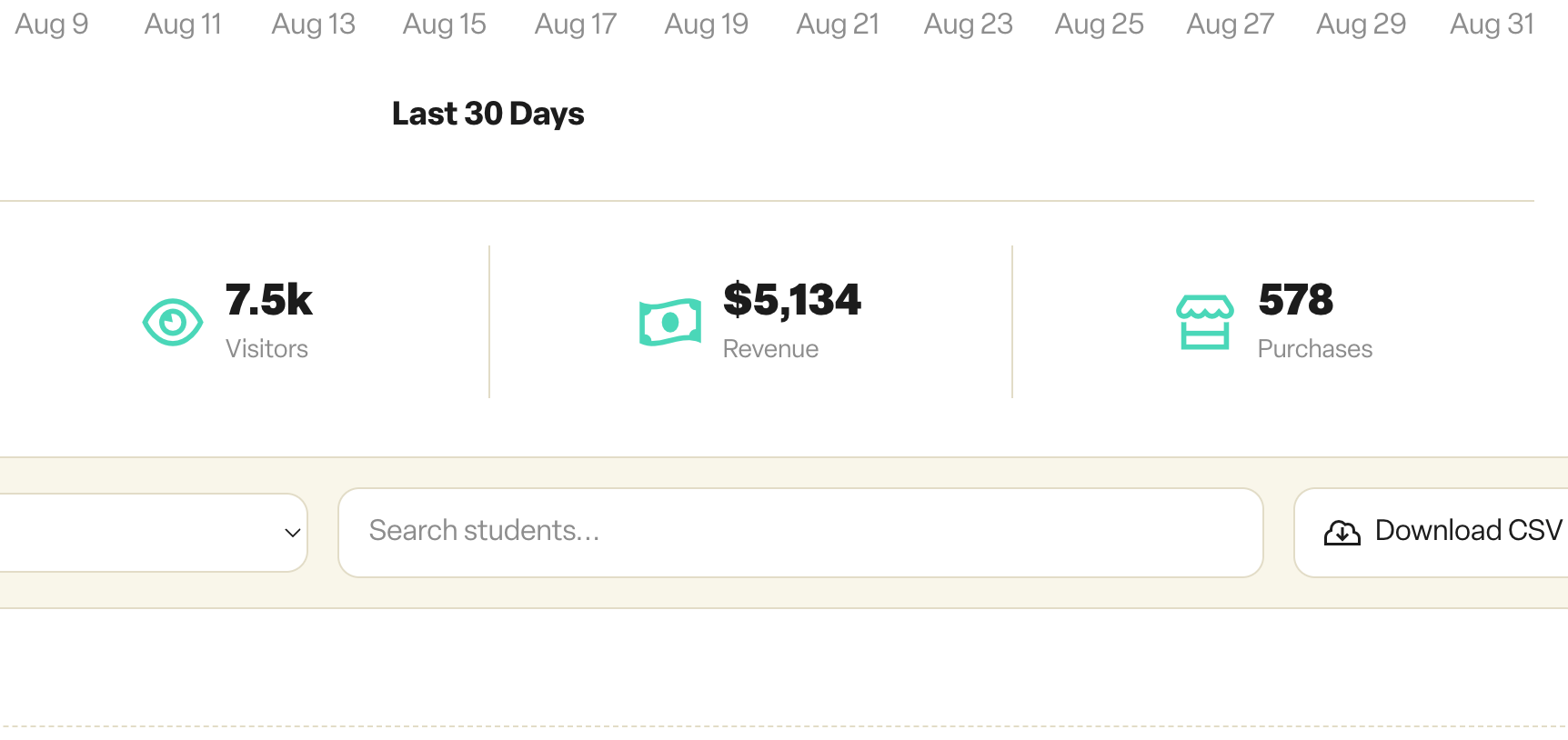
TeachKit also includes tools for managing students, viewing course analytics, and exporting student data. These are practical features, but they matter. If people are enrolling in your classes, you should be able to see who they are, understand how your courses are performing, and keep access to the information connected to your own audience.
Who TeachKit Is For
TeachKit is for people who want to teach without turning the process into a giant production.
It can work for YouTubers who want to organize their best videos into a more structured course. It can work for creators who want to build a free class as a lead magnet. It can work for coaches, consultants, freelancers, or business owners who want to teach a process to potential customers. It can also work for someone who simply knows something useful and wants a clean way to share it.
The common thread is not the industry. The common thread is the teaching style.
If your goal is to help people take action, TeachKit is built for that.
The Bigger Goal
The bigger goal of TeachKit is simple: I want more people to teach what they know.
Not because everyone needs to become a guru. Not because the internet needs more bloated masterclasses packed with bonus worksheets and pretend homework. But because a lot of people know useful things, and a lot of other people would benefit from learning those things.
You do not need to recreate school to teach online. You do not need quizzes just because other course platforms have quizzes. You do not need to make learning feel more complicated than it needs to be.
You can teach visually. You can make the next step clear. You can help people do the thing they came to learn.
That is what TeachKit is built for.
And now it is free.